
ENCOUNTERS
Portugal, Spain and South America at the organ
ENCOUNTERS
Portugal, Spain and South America at the organ
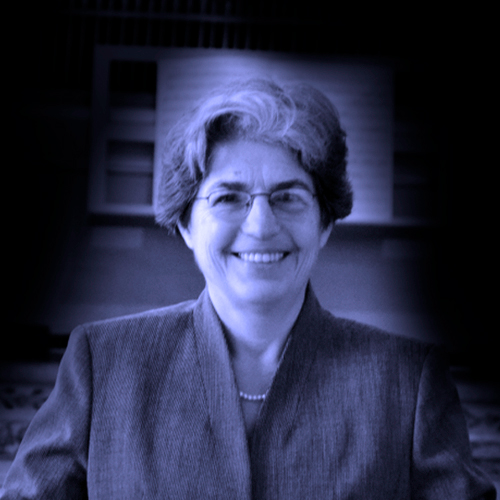
Elisa Freixo
organ
OCT 19th
9:30 p.m.
Funchal, Igreja de São João Evangelista (Colégio)
Programme:
Georg Muffat (1653-1704)
¬ Toccata tertia
Johann Caspar Kerll (1627-1693)
¬ Passacaglia
Antonio Leal Moreira (1758-1793)
¬ Sonata in B flat major
› Allegro
› Rondó
Domenico Zipoli (1688-1726)
¬ All´ Elevazione II
Anonymous
(Chiquitos, Bolívia, 18th c.)
¬ Allegro
Calimerio Soares (1944-2011)
¬ Toccata breve
Angelo Camin (1913-1989)
¬ Scherzo
Eduardo Frigatti (1985)
¬ A imitação do amanhecer
Alberto Ginastera (1916-1983)
¬ Toccata, villancico y fuga
Since the 15th century, instead of a border, the Atlantic Ocean became a space for the circulation of people, ideas, beliefs and artistic expressions. Madeira, located in the heart of these maritime routes, witnessed the beginning of countless voyages that brought continents closer and profoundly transformed Western culture history. This programme proposes a musical journey inspired by this continuous movement of rapprochement between Europe and South America, revealing how different traditions dialogued, influenced each other and produced a common artistic heritage. The concert begins with Georg Muffat and Johann Caspar Kerll, two of the most important representatives of the Germanic tradition of the 17th century. Both were deeply marked by contact with different European schools. Muffat studied in France, became acquainted with the Italian tradition, and dedicated a large part of his work to reconciling these national styles, while Kerll established a solid bridge between the Germanic universe and Italian writing. Even in the first works of the programme, it is clear that the history of European music was built through encounters. The presence of António Leal Moreira introduces the Portuguese musical environment of the late 18th century. His Sonata represents a period of great vitality for sacred and instrumental music in Portugal, heir to Iberian traditions, but equally open to the influences circulating in the main European courts. It is in this context that the Iberian Peninsula becomes the starting point for a new stage of this journey. With Domenico Zipoli, the narrative crosses the Atlantic. Trained in the Italian tradition, the composer joined the Societas Jesu and settled in the reductions of South America, where he developed one of the most remarkable musical experiences of the colonial period. Alongside his work, the music preserved in the Chiquitos Archive, in present-day Bolivia, constitutes an exceptional testimony to this heritage. In these missionary communities, indigenous and European musicians built a repertoire of extraordinary richness, in which different cultures found ways of coexistence and artistic creation. Far beyond simple transplants of European music, these pieces reveal a tradition of their own, which continues to arouse growing interest among researchers and performers. The second part of the programme brings the public closer to South American production of the 20th and 21st centuries. Calimério Soares, Angelo Camin, and Eduardo Frigatti represent different generations of composers who renewed organ writing without breaking the dialogue with the past. In very distinct languages, their works demonstrate how tradition remains alive and capable of continually reinventing itself. The closing piece, Toccata, villancico y fuga by Alberto Ginastera, exemplifies many of the paths explored throughout the concert. The rhythmic force, the virtuoso writing, and the references to Iberian and Latin American traditions synthesise centuries of cultural exchange, offering a highly intense conclusion. More than bringing together composers from different eras and countries, the programme reveals a history built on dialogue between cultures. The organ, present in both the great European churches and the cathedrals and missions of the American continent, becomes a symbol of this historical continuity. Through which we celebrate not only the journeys of the past but also the enduring way music can bring people together, preserve memories, and create new encounters.
Elisa Freixo
